
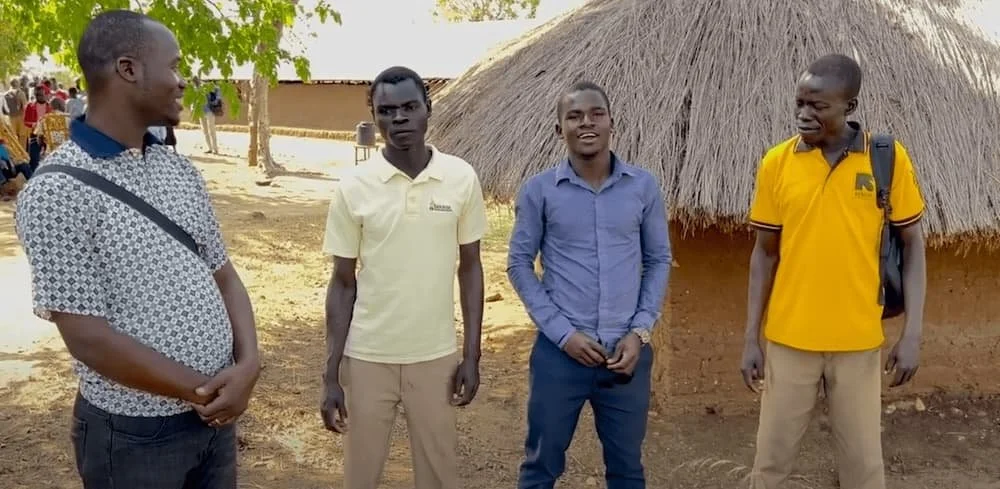
How to Become a Pastor Without Seminary or College
The vast majority of the world's pastors and church leaders do not have the money, academic credentials, or geographic access to attend a traditional seminary. If you are researching how to become a pastor, you might assume that a formal degree is the only valid starting point. Formal theological training has great benefits and has equipped many great preachers and leaders throughout history. Nevertheless, the Bible is replete with examples of highly skilled ministers who were trained through non-formal, personal discipleship. Today, a growing movement of local churches uses accessible, structured curriculum to equip leaders right where they live.
The urgent global need for accessible pastoral education
The traditional educational model cannot keep pace with the rapid growth of the global church. In 1990, following a pastors' conference in Mombasa, Kenya, Dr. Dennis J. Mock recognized a massive shortage of accessible pastoral education. Many faithful men were leading congregations but lacked basic theological training. This realization led to the creation of the Bible Training Centre for Pastors. Over the past 36 years, this ministry has grown into a 501(c)(3) nonprofit organization that has reached 105 countries. By translating the curriculum into 45 languages, the organization has trained over 200,000 pastors and leaders. You can read more about our history and mission on our about us page. This global impact proves that effective ministry preparation does not require a traditional campus.
The biblical foundation for pastoral ministry
Before looking at modern educational tracks, we must look at the scriptural qualifications for church leadership. The Apostle Paul outlines these requirements clearly in 1 Timothy 3:1-7 and Titus 1:5-9. Noticeably absent from these passages is any mention of academic degrees or institutional accreditation. Instead, the biblical text focuses entirely on character, spiritual maturity, and the ability to teach.
A pastor must be above reproach, faithful, self-controlled, respectable, hospitable, and able to manage their own household well. Similarly, 1 Peter 5:2-3 instructs elders to shepherd the flock willingly and eagerly, acting as examples rather than domineering over those in their charge. Men who meet these biblical qualifications are eligible to earn a certificate upon completing our full pastoral training program. You can find more details about these requirements in our FAQs. The biblical emphasis remains on spiritual readiness and practical capability. Understanding these priorities helps clarify the next steps for anyone exploring how to become a pastor.
The traditional path to ordination
For many decades, the standard route into ministry in the West has involved extensive formal education. This path typically takes about six to seven years to complete. Candidates usually begin by earning a four-year undergraduate degree. While some choose religious studies, secular degrees in psychology, communications, or business are highly beneficial for modern pastoral work. These fields teach leaders how to counsel congregants, speak publicly, and manage church finances. After completing an undergraduate program, candidates typically enroll in a seminary to earn a Master of Divinity (MDiv) degree, which takes another two to three years.
Certain denominations strictly require this level of education. For example, the Christian Reformed Church in North America mandates an MDiv for ordination as a Minister of the Word. Other groups, such as the Church of the Nazarene, use a tiered system where candidates first obtain a Local Minister's License before applying for a District Minister's License and undergoing a formal board interview.
While this formal route produces well-educated theologians, it creates massive financial barriers. The cost of a graduate degree can lead to significant student debt, which is difficult to repay on an average ministry salary. Research shows that most pastors in the United States make between $45,000 and $69,500 per year, with entry-level pastors starting closer to $31,000. To fund a seminary education without taking on massive debt, aspiring pastors often rely on denominational scholarships, federal grants, or bi-vocational work to pay tuition out of pocket. For leaders in developing nations or economically challenged regions, this traditional path is entirely out of reach. Fortunately, there is a more accessible way to prepare for ministry.
How to become a pastor through non-formal training
You do not need to leave your community or take on massive debt to receive thorough theological education. Bible Training Centre for Pastors seeks to create a movement of multiplying Bible training programs in a simple, repeatable model. This approach does not require dedicated buildings or bureaucratic intervention from accreditation boards. By removing barriers like academic prerequisites, vastly more pastors and leaders can receive our systematic pastoral instruction.
Our BTCP model relies on live, face-to-face, mentor-led classroom instruction. We maintain a strict no online policy because we believe ministry is inherently relational. Receiving pastor training without seminary allows leaders to learn within their local context and immediately apply their knowledge to their congregations.
This broadly applicable model can be customized to fit almost any context. Some classes meet in established churches, while others gather in homes. Still others operate as nomadic classes that meet wherever space is available. Our programs are very low cost, but not completely free. Even so, we have seen people in some of the most economically challenged regions on earth not only participate but thrive in this pricing structure. You can view our global reach on our locationspage.
Practical steps for your ministry journey
If you are called to ministry but lack access to formal institutions, you can still follow a structured path to readiness. The journey begins with discernment and active involvement in a local congregation.
Discernment and local church service
Before leading a congregation, you must serve one. Lifeway Research found that only three in ten pastors jump directly into a lead pastor role. The vast majority develop their skills in associate positions or lay leadership roles first. Serving in your local church allows existing elders to observe your character and confirm your calling based on the qualifications in 1 Timothy 3.
Engaging in structured curriculum
Once your local church affirms your calling, you need systematic biblical instruction. We provide a structured curriculumdivided into three tiers. The foundational tier is BTCI, which includes five courses for lay leaders. The next level is BTCL, expanding to eight courses for elders and deacons. The full pastoral track includes 10 courses designed specifically for complete ministry preparation. These courses cover everything from Bible study methods to preaching and church administration. Local churches and ministry partners recruit teachers who already have seminary or equivalent biblical education to lead these classes.
Licensing and ordination in a local context
The final step involves official recognition by your local church or network. Unlike traditional denominations with rigid academic mandates, many independent churches and networks base ordination on character, proven ministry fruit, and the completion of a rigorous non-formal program. This localized approach ensures that you are accountable to the people who know you best.
Equipping your church for leadership multiplication
The goal of biblical education is not just personal knowledge, but the multiplication of disciples. When you learn through a local, non-formal model, you are simultaneously learning how to train others. We support local partners by conducting two-day Partnership Orientation and Teacher Training Workshops. These sessions equip qualified leaders to teach the curriculum effectively.
We also supply the necessary course materials, including our BBSA digital manuals, and offer ongoing ministry consultation. You can review the full scope of our materials in the Program Summary Manual. This multiplying effect has allowed the ministry to reach diverse locations, from Uganda to Hispanic church plants in the United States. You can read more about this global impact in our testimonials or browse our blog for ongoing updates. The success of these graduates leads to common questions about the mechanics of non-formal pastoral training.
Apprenticeships and practical ministry skills
Academic knowledge alone does not prepare a leader for the daily realities of pastoral ministry. Many seminary graduates report feeling unprepared for practical tasks like counseling grieving families, managing church conflict, or leading a staff meeting. Non-formal training models often excel here, not through formal apprenticeship, but by training leaders directly and then exhorting them to put those gifts and skills into practice within their own churches and communities, exactly the approach BTCP's ministry partners take around the world.
Crossing Cultures International has brought this kind of training into more than 40 countries, often into some of the hardest-to-reach regions in the world where believers face real persecution or discrimination for their faith. Their model equips local leaders through discipleship-based teaching, then sends them back to lead and serve within their own congregations, training that travels wherever it's needed most, not just where it's convenient.
African Leadership pairs pastoral education with tangible community-development skills. Alongside theological coursework, leaders are equipped with the practical tools their communities urgently need, healthcare training, clean water initiatives, and child protection work, then encouraged to carry that training directly into the churches and communities they already serve.
Denton Bible Church takes a similar approach, helping pioneer the model that shaped BTCP's own training method. Their missionaries have equipped leaders across dozens of countries and languages who then return to their own churches to teach and lead, proof that this kind of training, practical, biblical, and locally applied, works across radically different cultures and contexts alike.
Putting this into practice starts close to home. Aspiring leaders should look for opportunities within their own church to exercise these gifts directly, whether that's leading a small group, walking alongside someone through a hard season, or stepping into a teaching role, and let that hands-on experience become part of their ongoing training.
Frequently asked questions
Do you need a degree to be a pastor?
No. While some specific denominations require a Master of Divinity, many independent churches, networks, and global ministries ordain pastors based on biblical qualifications and completion of structured non-formal training.
How long does it take to complete the training program?
The timeline varies based on how often the local class meets. Because the program requires 520 hours of classroom instruction across 10 courses, most groups complete the full pastoral track in two to three years of part-time study.
Can I take these courses online?
No. We strictly emphasize a live, face-to-face, mentor-led classroom instruction model. Relational discipleship is essential for character formation and ministry preparation, which cannot be replicated through a screen.
How do I purchase the course materials?
Approved partners and trained teachers can order manuals and resources directly through our cart system after completing the necessary orientation workshops.
Start your pastoral training journey today
The global church desperately needs equipped leaders who understand the Word of God and can shepherd their congregations effectively. You do not need to let a lack of academic credentials or financial resources stop you from fulfilling your calling. By participating in a live, mentor-led classroom environment, you can gain the theological foundation and practical skills required for a lifetime of faithful service. If you are ready to learn how to become a pastor through an accessible, biblical model, we invite you to get trained and join a growing movement of multiplying church leaders around the world.