Program Overview
The Need for Bible Training
BTCP exists to equip pastors and church leaders around the world through biblical training grounded in the Word of God.
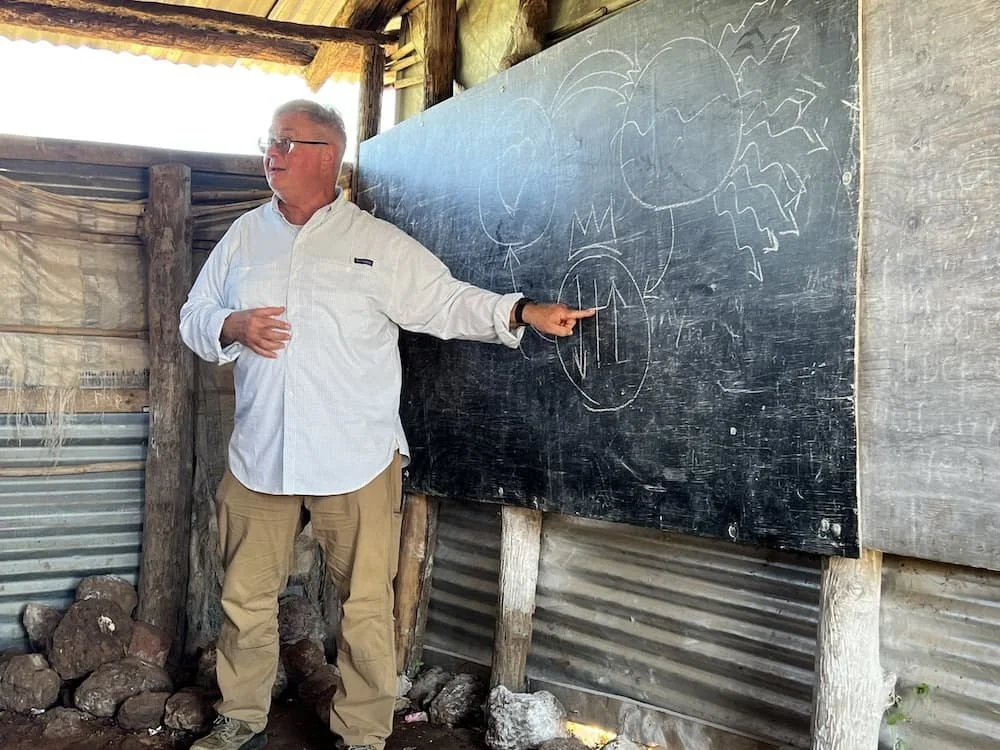
As the global church continues to grow, access to theological training remains limited in many regions. BTCP seeks to bridge this gap by providing accessible, reproducible, Bible based training that strengthens leaders and supports the health of local church communities.
Wondering if formal seminary is necessary? See why thousands of churches are training pastors without it →
Why BTCP?
BTCP is built on a model that is both practical and purpose-driven:
Rooted in the Word of God
Designed for local church ministry
Built around a structured, multi-course curriculum
Created to be reproducible for long-term impact
Centered on discipleship through in-person training
The History of BTCP
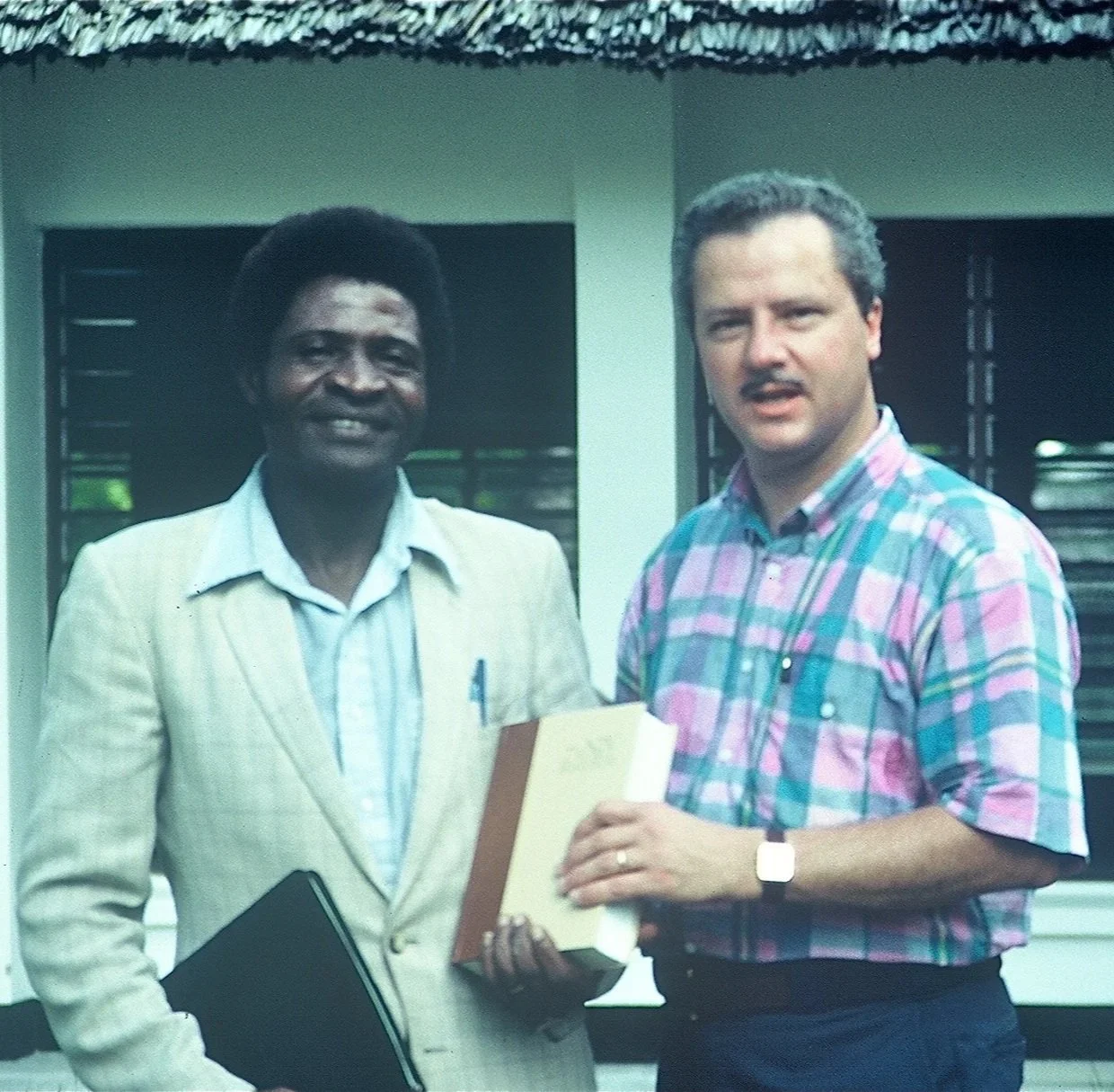
In 1988, Dennis Mock taught at a pastors’ conference in Mombasa, Kenya, where he met church leaders eager to learn but lacking access to basic theological training.
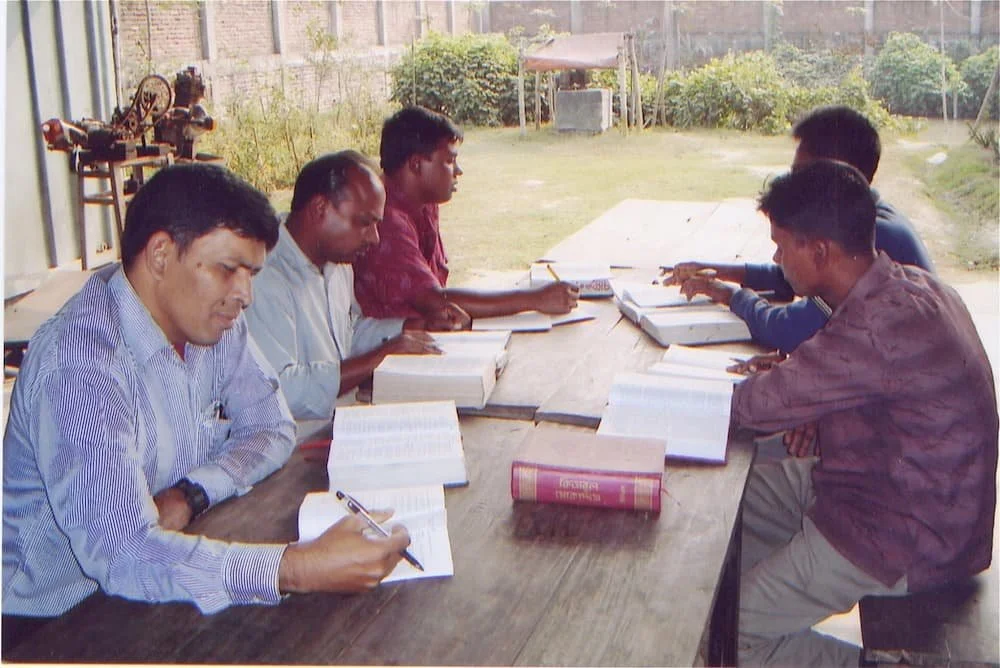
Moved by this need, he developed a 10-course curriculum designed to equip pastors with foundational Bible knowledge, ministry skills, and tools for character development.
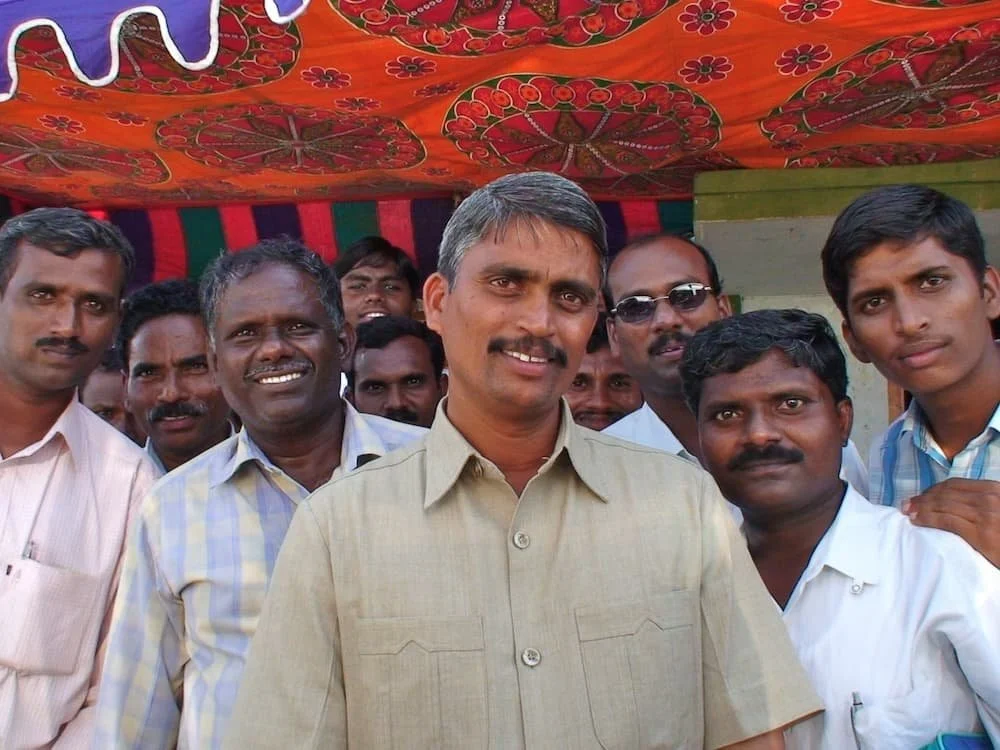
Since the first graduating class in Nairobi, Kenya in 1990, BTCP has expanded globally. Today, the program is used by hundreds of ministry partners in 105 countries.
About Our Founder
Dr. Dennis J. Mock is an ordained pastor, Bible teacher, and the founder of BTCP.
He developed the BTCP curriculum to equip pastors and church leaders for effective ministry through sound biblical training.
Throughout his ministry, Dr. Mock has served in pastoral ministry, teaching, and curriculum development across the United States and around the world. He continues to serve BTCP as Chairman of the Board.
Global Impact
Since 1990, BTCP has been equipping pastors around the world by God’s grace:
36 years of ministry
105 nations reached
200,000+ leaders trained
400+ global partners
Curriculum translated into 45 languages
Partnerships
Through a network of strategic partners who share this worldview, BTCP is able to bring training to pastors within their ministry contexts whenever possible. These partnerships are vital to expanding access to training and sustaining long-term impact in local church communities.